
Introduction
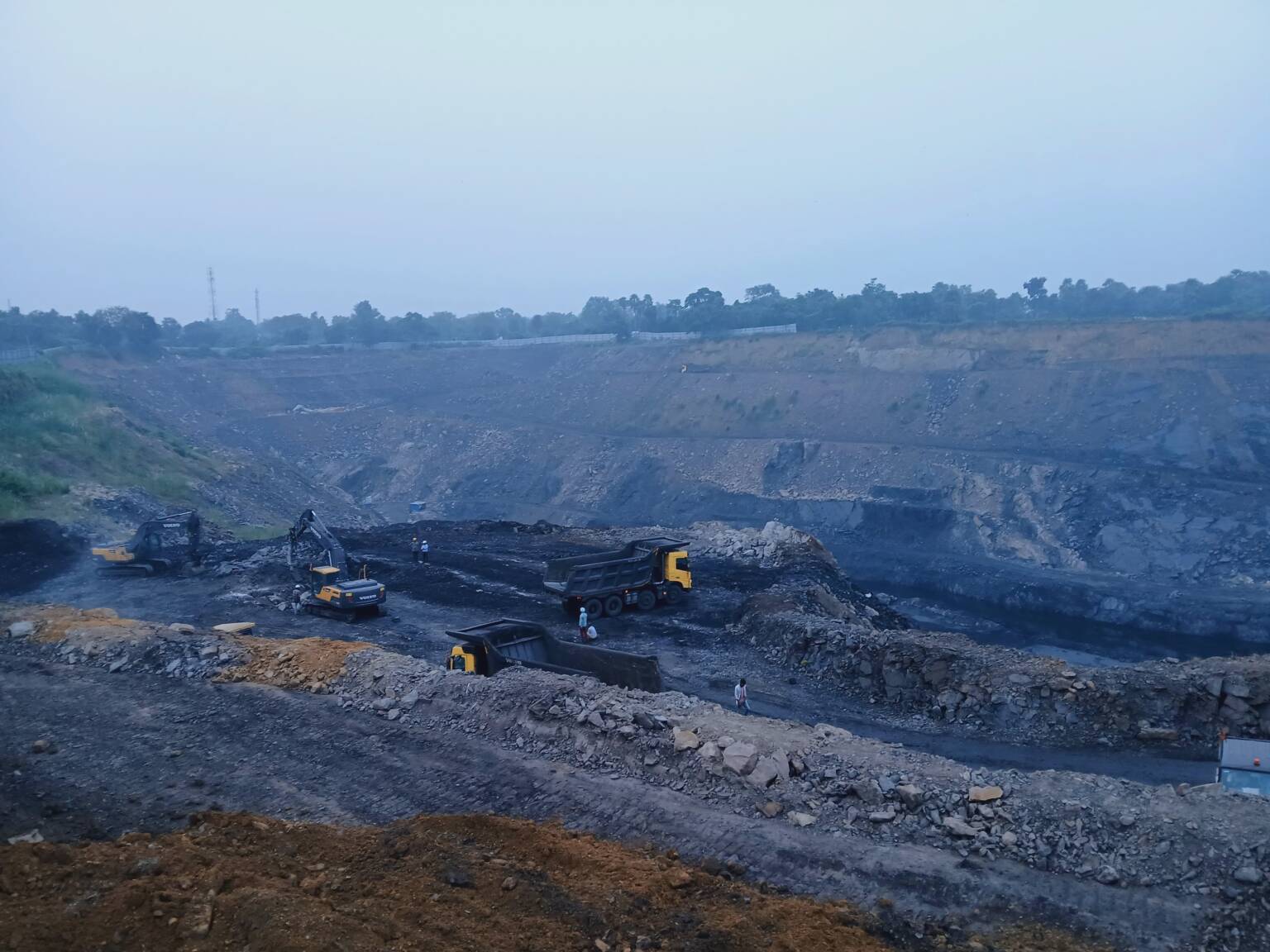
Infrastructure is the backbone of every developing nation. Roads, bridges, railways, airports, power plants, and industrial facilities all rely on essential minerals extracted through mining. As India continues its rapid journey toward economic growth, the mining industry plays an increasingly important role in supplying the raw materials required for large-scale infrastructure development.
Mining: The First Step in Every Infrastructure Project
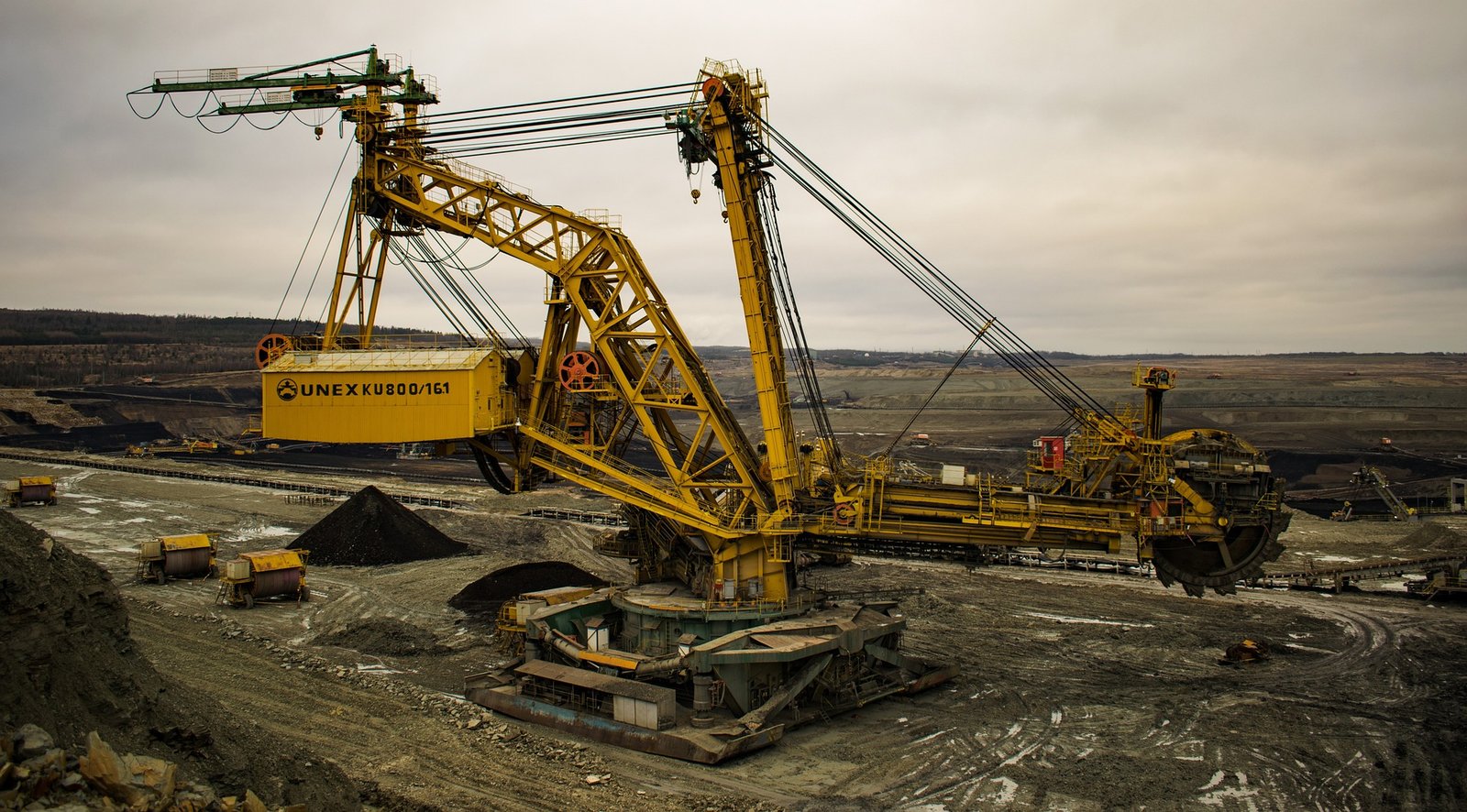
Construction materials such as limestone, iron ore, coal, aggregates, and other minerals form the foundation of infrastructure projects. Without mining, industries such as steel, cement, and power generation would struggle to meet growing demand.
Mining companies ensure a steady supply of these resources while maintaining quality standards and operational efficiency.
Supporting India's Economic Growth
The Government of India has launched several initiatives to improve infrastructure across the country. These projects require enormous quantities of minerals, creating new opportunities for responsible mining companies.
Modern mining operations contribute by:
- Supplying quality raw materials
- Creating employment opportunities
- Supporting local economies
- Strengthening industrial supply chains
- Improving transportation networks
Sustainable Infrastructure Starts with Sustainable Mining
Responsible mining practices ensure that natural resources are utilized efficiently while minimizing environmental impact. Companies that adopt modern technology, environmental management systems, and community engagement programs contribute to long-term sustainable development.
Conclusion
Mining and infrastructure development go hand in hand. A strong, responsible mining sector is essential for building the roads, cities, industries, and energy systems that support India's future.